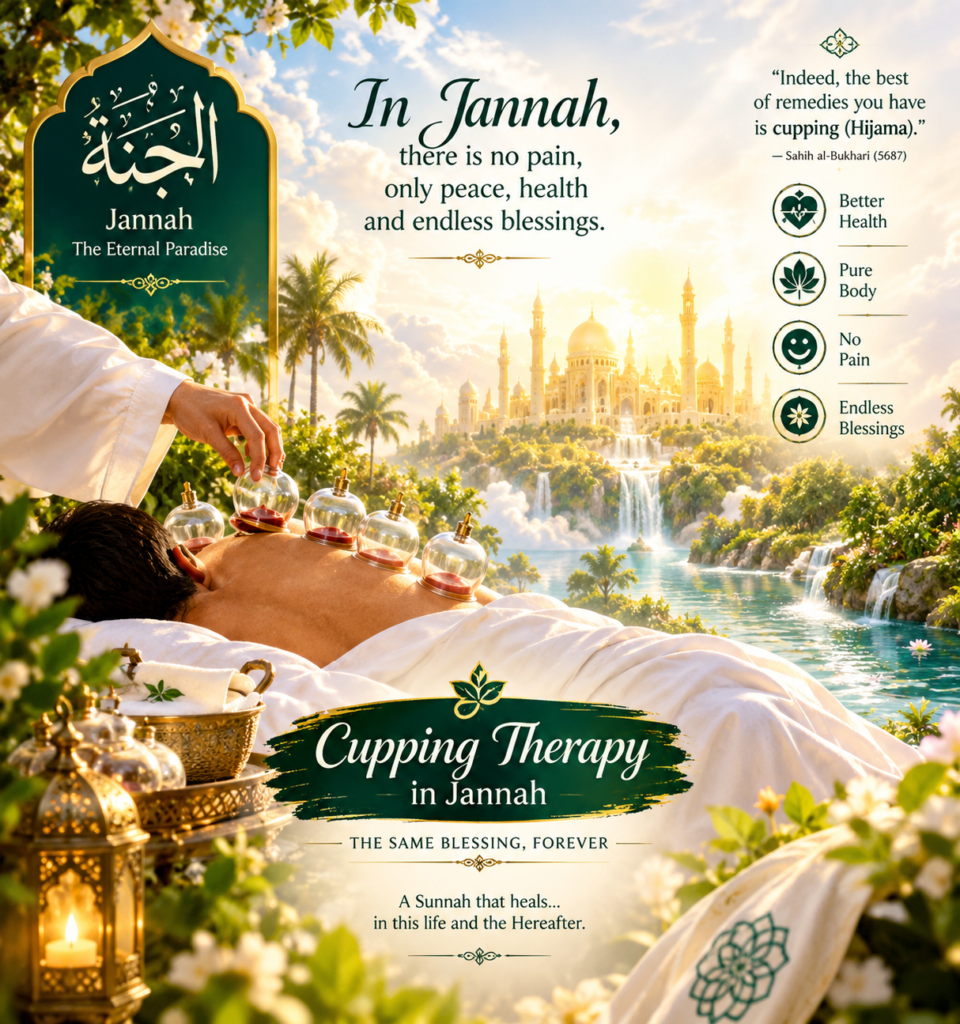
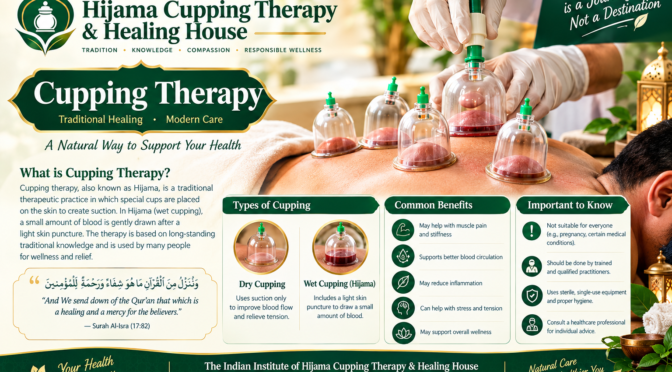
Cupping therapy is a traditional complementary practice that uses specially designed cups to create suction on the skin. It has been used in different cultures for centuries and continues to attract interest among people exploring complementary approaches to wellness.
At The Indian Institute of Hijama Cupping Therapy & Healing Center, we aim to promote awareness, education, and responsible understanding of cupping therapy by combining respect for traditional knowledge with an emphasis on hygiene, safety, and informed decision-making.
Cupping therapy is not a guaranteed treatment for any disease, and scientific evidence supporting its benefits varies depending on the condition being studied.
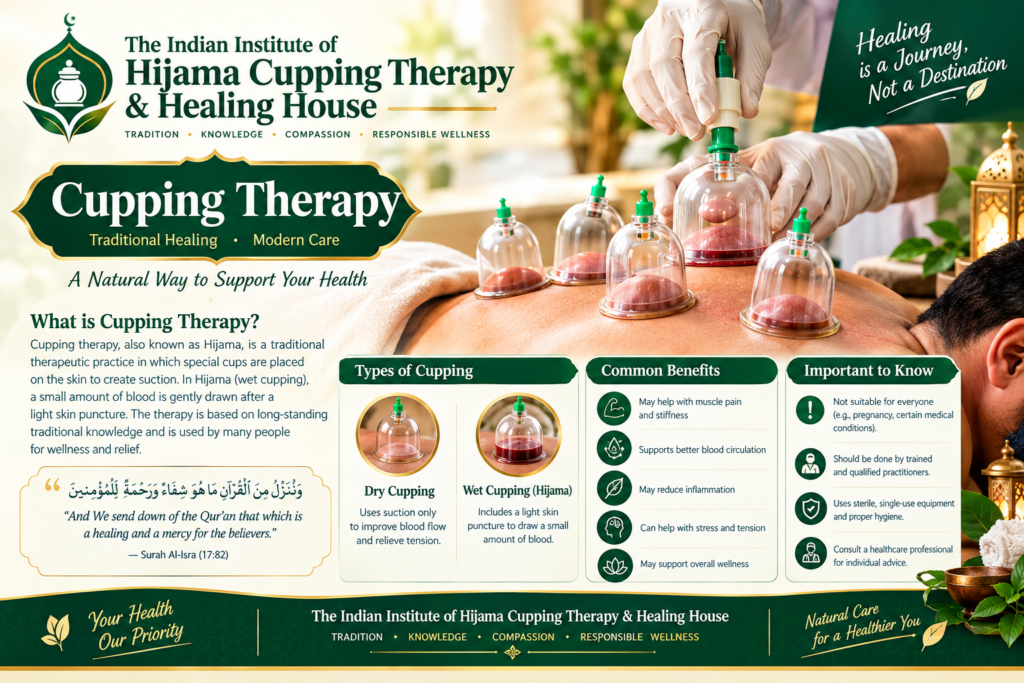
What Is Cupping Therapy?
Cupping therapy involves placing cups on selected areas of the body and creating suction to draw the skin upward. Depending on the technique, suction may be produced using manual pumps, mechanical devices, or other suitable methods.
People may explore cupping as a complementary approach to managing certain types of muscle discomfort or tension. However, results vary, and cupping should not replace appropriate medical evaluation or prescribed treatment.
Cupping Therapy – The Indian Institute Of Hijama Cupping Therapy & Healing House
Types of Cupping Therapy
1. Dry Cupping
Dry cupping uses suction without intentionally cutting or puncturing the skin. Cups remain in place for a limited period, depending on the method and individual circumstances.
Common features:
- Does not involve intentional bloodletting.
- May leave temporary circular marks or bruising.
- Is sometimes explored for muscle discomfort and tension.
- Can cause skin irritation, soreness, or other adverse effects.
2. Wet Cupping (Hijama)
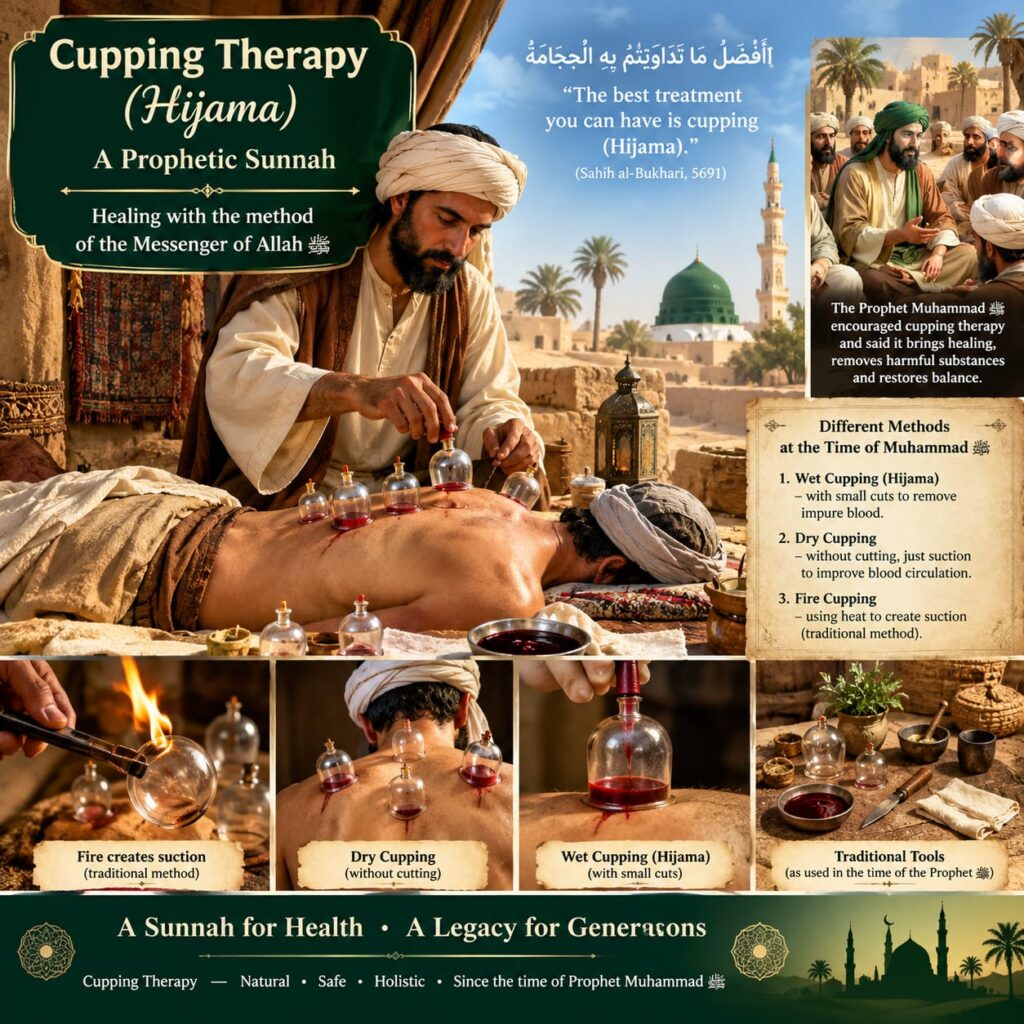
Wet cupping, commonly known as Hijama, involves superficial skin punctures or incisions followed by the application of cups to draw out a small amount of blood.
Important considerations:
- Requires strict infection-control precautions.
- Must involve appropriate sterile, single-use equipment for skin penetration.
- Can cause bleeding, infection, scarring, and, with repeated procedures, anemia.
- Requires careful assessment of individual health risks and informed consent.
Wet cupping should only be performed by appropriately trained practitioners who meet applicable legal and professional requirements.
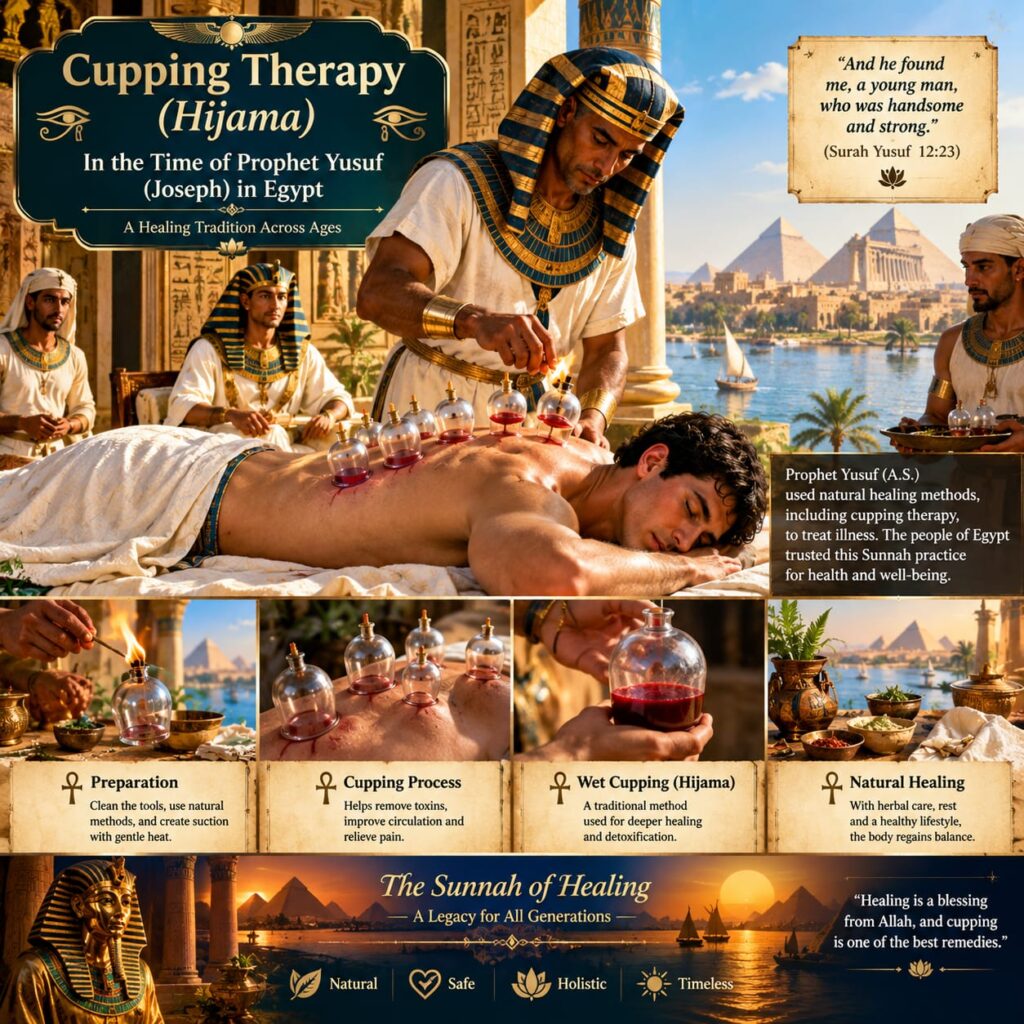
3. Moving Cupping
Moving cupping involves applying a suitable lubricant and moving a cup across the skin while maintaining suction. It may be used in some traditional bodywork practices, but it can cause bruising, irritation, or discomfort.
4. Massage Cupping
Massage cupping uses suction as part of a bodywork session. The technique and intensity should be adapted to the individual, with attention to skin sensitivity, comfort, and safety.
Potential Benefits and Current Evidence
Cupping therapy has been investigated for several symptoms, particularly musculoskeletal pain. Some studies suggest that it may provide short-term symptom relief for certain people, but the overall evidence remains limited or inconsistent for many uses.
Cupping Therapy – The Indian Institute Of Hijama Cupping Therapy & Healing House
Potential areas of interest include:
- Temporary relief of certain types of muscle pain.
- Short-term changes in perceived muscle tension.
- Relaxation and subjective well-being for some individuals.
Claims that cupping detoxifies the body, removes harmful substances from the blood, cures chronic diseases, or reliably improves organ function are not established by strong scientific evidence. The body primarily processes and eliminates waste through organs such as the liver and kidneys.
Who Should Exercise Caution?
Cupping therapy may not be suitable for everyone. Medical advice is particularly important for people who:
- Have bleeding disorders or take blood-thinning medicines.
- Have anemia or a history of significant blood loss.
- Have active skin infections, open wounds, or fragile skin.
- Are pregnant or have significant underlying health conditions.
- Have reduced sensation or impaired wound healing.
- Are considering cupping for a child or a medically vulnerable person.
Wet cupping requires additional precautions because it breaks the skin and exposes the person to bleeding and infection risks.
Safety and Hygiene Standards
Responsible cupping practice requires appropriate hygiene, equipment handling, and client assessment.
Our educational approach emphasizes:
- Hand hygiene and appropriate skin preparation.
- Sterile, single-use instruments for any skin penetration.
- Proper handling and disposal of blood-contaminated materials.
- Clear explanation of the procedure and its risks.
- Voluntary, informed consent and respect for privacy.
- Appropriate aftercare guidance.
- Medical referral when symptoms or complications require professional assessment.
What to Expect During a Session
Before the Session
The practitioner should discuss your health history, current medicines, allergies, expectations, and any relevant contraindications. The procedure and possible adverse effects should be explained before consent is obtained.
During the Session
The selected technique should be appropriate for your circumstances. You should be able to communicate discomfort or ask for the procedure to stop at any time.
After the Session
Temporary circular marks, tenderness, or bruising may occur. Follow the aftercare instructions provided, and seek medical attention for persistent bleeding, worsening pain, spreading redness, fever, or other concerning symptoms.
Our Approach to Cupping Therapy
At The Indian Institute of Hijama Cupping Therapy & Healing Center, we believe that traditional wellness practices should be approached with knowledge, honesty, and responsibility.
Our focus is on promoting awareness, supporting education, encouraging appropriate hygiene, and helping individuals understand both the potential benefits and limitations of cupping therapy.
We encourage every individual to make informed decisions and consult a qualified healthcare professional when necessary.
Begin Your Learning Journey
Explore our educational resources, learn about different cupping techniques, and discover the traditional background of Hijama.
Cupping Therapy – The Indian Institute Of Hijama Cupping Therapy & Healing House
Tradition • Education • Safety • Responsible Wellness
Medical Disclaimer
Cupping therapy is a complementary practice and is not a substitute for medical diagnosis, prescribed treatment, or emergency care. Its effectiveness varies by condition, and evidence for many claimed benefits is limited. Consult a qualified healthcare professional before undergoing treatment if you have an underlying medical condition or are uncertain whether cupping is appropriate for you.
Welcome to The Indian Institute of Hijama Cupping Therapy & Healing Center, an organization dedicated to promoting awareness, education, and responsible practice of Hijama (wet cupping) and other cupping therapy techniques.
We bring together traditional wellness practices and a modern emphasis on hygiene, safety, informed consent, and professional responsibility. Our aim is to help people understand cupping therapy, its cultural and historical significance, and the importance of making informed decisions about complementary wellness practices.
Our Mission – India Hijama Cupping
Our mission is to promote safe, responsible, and informed Hijama practice through education, practical training, and wellness services. We strive to preserve traditional knowledge while encouraging evidence-informed approaches and appropriate healthcare guidance.
Our Vision – India Hijama Cupping
We envision a future in which traditional wellness practices are approached with knowledge, care, integrity, and respect for individual needs. We aim to build awareness of Hijama therapy and encourage high standards of cleanliness, ethical conduct, and continued learning.
Our Approach to Hijama Cupping Therapy
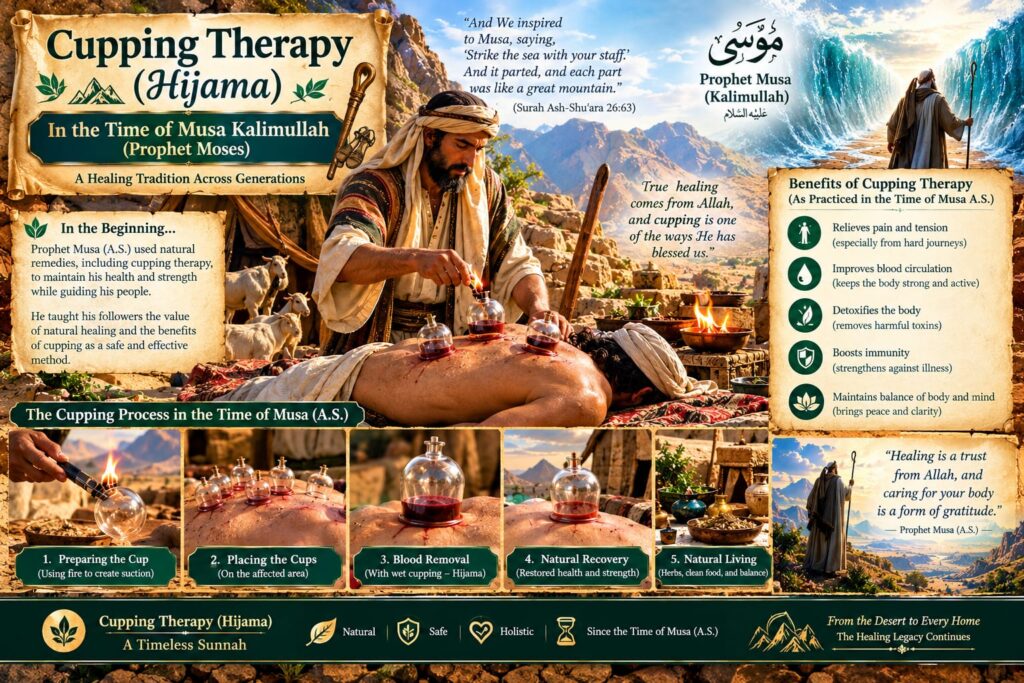
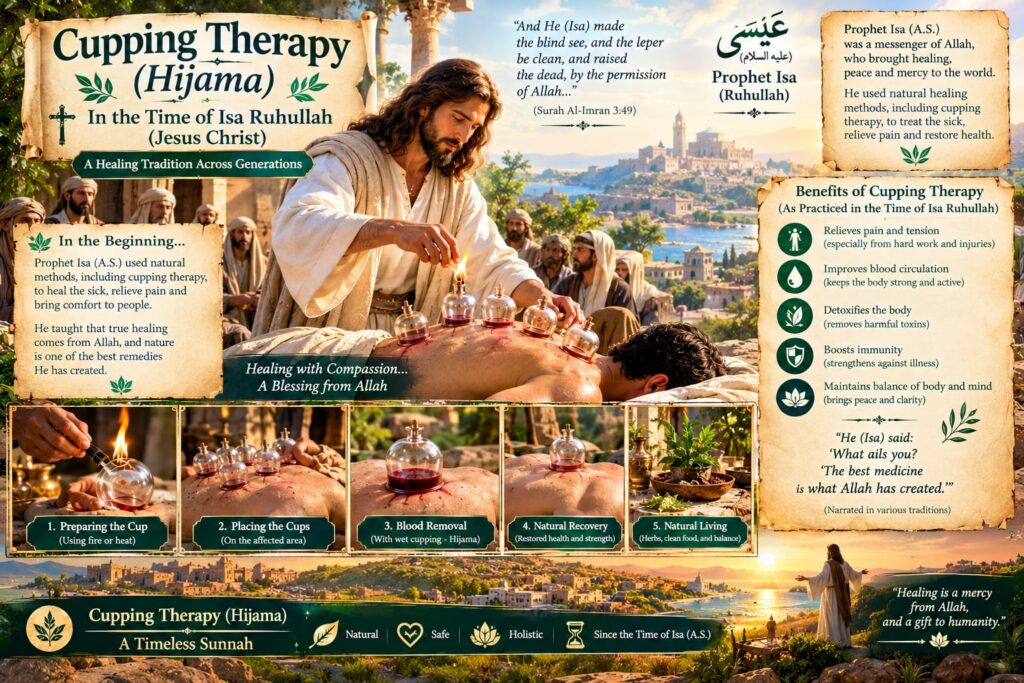
Hijama is a traditional form of cupping therapy that involves placing cups on the skin. Wet cupping includes superficial skin incisions or punctures to draw a small amount of blood into the cups, while dry cupping does not involve bloodletting.
At our center, we emphasize:
- Hygiene and Safety: Appropriate infection-control practices and sterile, single-use equipment wherever required.
- Traditional Knowledge: Respect for the historical and cultural traditions associated with Hijama.
- Informed Consent: Clear communication about the procedure, possible benefits, risks, and alternatives.
- Individual Attention: Respectful care that considers each person’s circumstances and suitability for treatment.
- Responsible Wellness Education: Clear information about what cupping may and may not be able to achieve.
Our Training and Educational Commitment
We believe that responsible practice begins with proper education. Our educational activities aim to develop knowledge of cupping techniques, hygiene protocols, client assessment, contraindications, aftercare, and professional ethics.
Training participation and certification should not be considered a substitute for any professional licence or healthcare qualification required by applicable law.
Our Commitment to You
Every individual deserves respectful communication and transparent information. We encourage clients to discuss existing health conditions, medicines, bleeding risks, and other relevant concerns before considering cupping therapy.
Hijama is a complementary practice and is not a substitute for diagnosis, emergency treatment, or evidence-based medical care. Scientific evidence for many claimed health benefits remains limited, and results can vary.
Begin Your Wellness Journey
Whether you are interested in learning about Hijama, exploring our educational opportunities, or understanding whether cupping therapy may be appropriate for you, we welcome you to discover our services and learn more about our approach.
Tradition with Responsibility. Wellness with Knowledge. Care with Compassion.
Hijama, commonly known as wet cupping therapy, has a long history in traditional wellness practices and holds cultural and spiritual significance for many communities. Today, interest in cupping therapy continues to grow as people explore different approaches to personal wellness.
At our institute, we believe that traditional practices should be approached with knowledge, responsibility, compassion, and respect for individual health needs. We aim to create an environment where people can learn about Hijama, understand its traditional background, explore relevant training opportunities, and make informed decisions about complementary wellness services.
Our approach brings together respect for tradition and an emphasis on modern hygiene, informed consent, ethical practice, and clear communication about the limitations of available scientific evidence.
Cupping Therapy – The Indian Institute Of Hijama Cupping Therapy & Healing House
Who We Are – indianhijamacupping.com
The Indian Institute of Hijama Cupping Therapy & Healing Center is committed to increasing awareness of Hijama and supporting the responsible development of cupping therapy education and practice.
Our work focuses on three important areas:
- Wellness Services: Providing information about cupping therapy and offering services where appropriate, subject to individual suitability and applicable requirements.
- Education and Training: Supporting learners who wish to understand cupping methods, hygiene, safety precautions, and responsible client care.
- Public Awareness: Helping communities distinguish traditional beliefs, proposed benefits, available scientific evidence, and the risks associated with cupping.
We believe that meaningful wellness education requires honesty, continuous learning, and a willingness to acknowledge both the possibilities and the limitations of complementary therapies.
Our Philosophy
Tradition with Responsibility
We respect the historical and cultural traditions associated with Hijama. We believe that preserving traditional knowledge also means practicing it responsibly and communicating accurately about its role in modern wellness.
Knowledge Before Treatment
Every person deserves clear information before choosing a treatment. We encourage individuals to understand the procedure, possible discomfort, potential risks, alternatives, and aftercare requirements before giving consent.
Compassionate and Respectful Care
We value dignity, privacy, cultural sensitivity, and respectful communication. Our aim is to make information and services accessible in an environment where people feel comfortable asking questions and expressing their concerns.
Safety as a Priority
Hygiene and infection prevention are essential, particularly in wet cupping, which involves breaking the skin. We emphasize appropriate hand hygiene, skin preparation, sterile single-use equipment where required, safe handling of blood, and proper disposal of contaminated materials.
Evidence-Informed Practice
We encourage a balanced understanding of cupping therapy. Although cupping has been studied for certain symptoms and conditions, the quality of evidence varies, and many health claims remain insufficiently established. We do not present Hijama as a guaranteed cure or a replacement for appropriate medical care.
Understanding Hijama Cupping Therapy
Hijama is a traditional cupping practice involving the placement of cups on selected areas of the body. Depending on the method, suction may be created using manual or mechanical techniques.
Dry Cupping
Dry cupping uses suction to draw the skin into a cup without intentionally cutting or puncturing the skin. Temporary circular marks, tenderness, or bruising may occur.
Wet Cupping (Hijama)
Wet cupping involves creating superficial skin incisions or punctures after an initial cupping step, followed by the application of cups to draw out a small amount of blood. Because the skin barrier is broken, this method carries additional risks, including infection, scarring, and bleeding.
The choice of technique should depend on individual circumstances, practitioner competence, appropriate hygiene standards, and informed consent.
Our Mission – indianhijamacupping.com
Our mission is to promote awareness, education, and responsible practice of Hijama cupping therapy through accessible information, structured learning, ethical conduct, and an emphasis on safety.
We aim to:
- Preserve and explain the traditional background of Hijama.
- Promote responsible learning and practical education.
- Encourage high standards of hygiene and infection prevention.
- Support informed decisions through transparent communication.
- Raise awareness of contraindications, potential side effects, and aftercare.
- Encourage collaboration with qualified healthcare professionals when appropriate.
- Help learners understand the importance of professional boundaries and applicable legal requirements.
Our Vision
Our vision is to contribute to a well-informed community in which traditional wellness practices are approached with respect, knowledge, and responsibility.
We aspire to build an educational environment that values integrity over exaggerated promises, safety over shortcuts, and informed choices over unsupported claims.
Through continued learning and public awareness, we hope to encourage a more thoughtful understanding of Hijama and its place among complementary wellness practices.
Cupping Therapy – The Indian Institute Of Hijama Cupping Therapy & Healing House
Hijama Education and Professional Training
Education is an important part of responsible cupping practice. Our training-related activities aim to introduce learners to the principles, procedures, and responsibilities associated with Hijama.
Depending on the course offered, educational topics may include:
- Introduction to Hijama and the history of cupping.
- Differences between dry and wet cupping.
- Basic knowledge of skin anatomy and relevant precautions.
- Hygiene, sterilization principles, and infection prevention.
- Client consultation and informed consent.
- Contraindications and circumstances requiring medical advice.
- Practical demonstrations and appropriate technique.
- Aftercare, recordkeeping, and professional ethics.
- Recognition of complications and appropriate referral.
- Legal responsibilities and professional scope of practice.
Training content and practical activities should be delivered according to the learner’s experience, instructor competence, and applicable requirements. Course attendance or an institute-issued certificate does not automatically confer a regulated healthcare qualification or professional licence.
Our Approach to Client Care
We believe that responsible care begins before a procedure and continues after it.
Before a Session
Relevant health history, medications, allergies, skin conditions, bleeding risks, and other concerns should be discussed. Cupping may be unsuitable for some people, including those with certain bleeding disorders, significant anemia, active skin infections, or other medical conditions.
During a Session
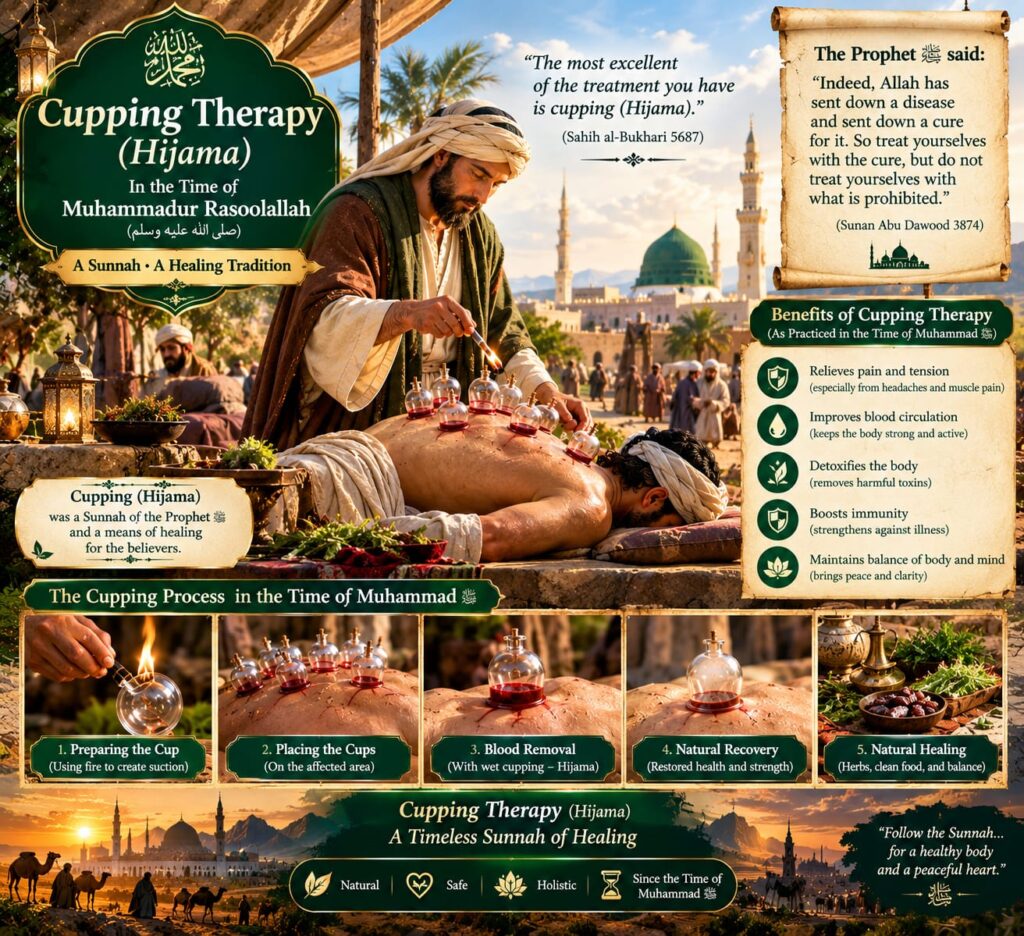
The procedure should be explained clearly, consent should be voluntary, privacy should be respected, and appropriate hygiene and safety precautions should be followed. Wet cupping requires particular attention to sterile technique and bloodborne infection prevention.
After a Session
Clients should receive clear aftercare instructions and information about warning signs. Persistent bleeding, worsening pain, spreading redness, fever, or other concerning symptoms warrant prompt medical assessment.
We encourage clients to seek advice from a qualified healthcare professional when they have medical concerns or are uncertain whether cupping is appropriate for them.
Cultural and Spiritual Significance
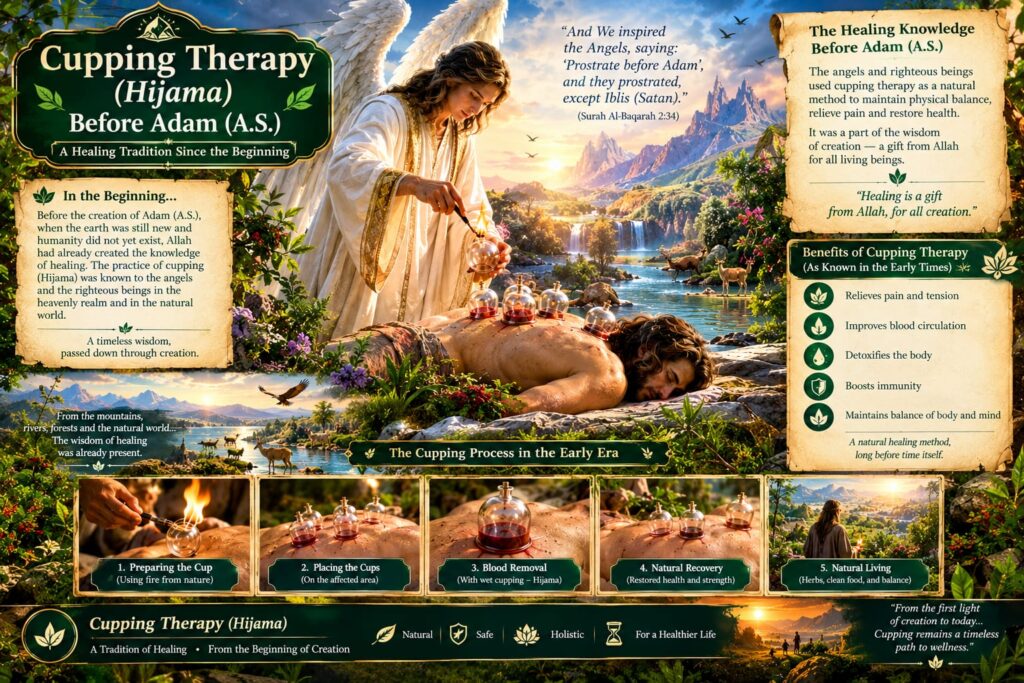
Hijama has an important place in certain religious and cultural traditions, particularly within Muslim communities. Many people approach it with spiritual meaning and a connection to traditional teachings.
Our educational approach respects these traditions while distinguishing religious or historical significance from scientific evidence about medical effectiveness. We believe that cultural respect and accurate health information can be maintained together.
Our Commitment to Ethical Practice
Trust is built through honesty, accountability, and respect. We aim to uphold the following principles:
- No guarantees of curing diseases.
- No discouragement of necessary medical treatment.
- Clear explanations of potential risks and limitations.
- Respect for privacy and confidentiality.
- Voluntary and informed consent.
- Appropriate hygiene and safe equipment handling.
- Responsible advertising and transparent service descriptions.
- Referral to qualified healthcare professionals when a concern falls outside our scope.
Community Awareness and Public Education
We believe that accurate information can help people make better-informed wellness decisions. Through educational content, workshops, and awareness initiatives, we seek to explain cupping therapy in clear and accessible language.
Cupping Therapy – The Indian Institute Of Hijama Cupping Therapy & Healing House
Our goal is not simply to introduce a traditional practice, but also to encourage people to ask questions, understand potential risks, and recognize when professional medical advice is necessary.
Why Learn About Hijama With Us?
We aim to provide an educational and wellness environment built around:
- Respect for traditional knowledge.
- A focus on hygiene and safety.
- Clear and accessible educational information.
- Attention to ethical and professional responsibilities.
- A commitment to informed consent.
- A balanced understanding of potential benefits and limitations.
- Encouragement of continued learning and responsible practice.
We recognize that trust must be earned through conduct, transparency, and a consistent commitment to responsible service.
Looking Ahead
The Indian Institute of Hijama Cupping Therapy & Healing Center seeks to continue developing its educational resources and wellness initiatives while keeping safety, integrity, and responsible communication at the center of its work.
Whether you are exploring the history of Hijama, considering a training course, or looking for information about cupping therapy, we invite you to learn more about our approach.
Discover Tradition. Develop Knowledge. Choose Wellness Responsibly.
The Indian Institute of Hijama Cupping Therapy & Healing Center
Respecting Tradition • Promoting Education • Prioritizing Safety
Important Medical Disclaimer
Hijama and cupping therapy are complementary practices. Evidence supporting their effectiveness varies by condition, and they should not be considered substitutes for medical diagnosis, prescribed treatment, or emergency care. Wet cupping involves skin penetration and may cause bleeding, infection, scarring, or other complications. Individual suitability should be assessed before treatment, and qualified medical advice should be sought when necessary.
Franchise and Business Opportunities
We also welcome enquiries from individuals interested in establishing a Hijama training centre or Healer House under our proposed franchise model.
Depending on the agreed package, franchise support may include training, centre setup guidance, curriculum support, branding resources, business development guidance, and mentorship.
Our published franchise information lists a franchise fee of ₹50,000 and an institute commission of 30% of agreed eligible income or revenue. Prospective partners should request written confirmation of the full investment, commission calculation, contractual obligations, support services, and operating requirements before making a payment.
Business earnings are not guaranteed and depend on location, demand, operating costs, management, and other factors.
Cupping Therapy – The Indian Institute Of Hijama Cupping Therapy & Healing House
Our Philosophy
We believe in a simple principle:
Learn with dedication. Practise with responsibility. Teach with integrity. Serve with compassion.
Our goal is to help people develop their knowledge and skills while encouraging realistic expectations, ethical conduct, and a responsible approach to traditional wellness practices.
Visit Our Institute
The Indian Institute of Hijama Cupping Therapy & Healing House
Address: 61/3 BT Road, Basghola, Paikpara, Kolkata – 700002, West Bengal, India
Phone: +91 90075 88855
Email: iamhijamatherapy@gmail.com
For enquiries about training programmes, treatment appointments, course fees, or franchise opportunities, please contact our team.
Discover the Art of Healing. Learn the Practice of Cupping. Build Your Future Responsibly.